Pediatric Dental Sedation: The Complete Guide
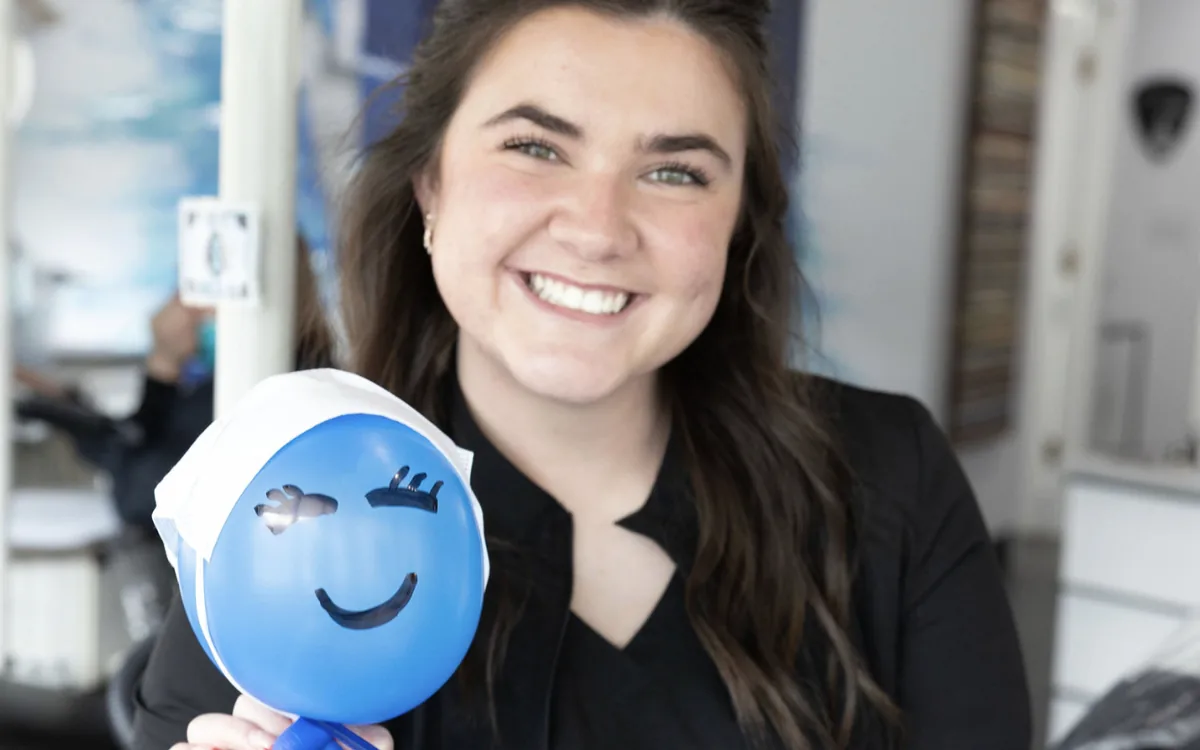
Pediatric dental sedation is the use of medication to help a child stay calm, comfortable, and still during dental treatment. It ranges from nitrous oxide, a mild gas that relaxes a child who stays awake, to general anesthesia, where the child sleeps through treatment under the care of an anesthesiologist. Pediatric dentists use sedation for dental anxiety, very young age, special health care needs, a strong gag reflex, and treatment plans too long for one awake visit. In Lincolnton, North Carolina, Alpine Pediatric Dentistry offers dental sedation at three levels: nitrous oxide, in-office general anesthesia, and hospital operating-room general anesthesia.
Sedation Levels Compared
Sedation levels differ by how awake the child stays and who manages breathing and monitoring. The American Academy of Pediatrics (AAP) and the American Academy of Pediatric Dentistry (AAPD) describe a continuum from minimal sedation through moderate and deep sedation to general anesthesia. Alpine Pediatric Dentistry offers the two ends of that continuum, plus a hospital setting for children who need medical backup.
| Nitrous oxide | In-office general anesthesia | Hospital general anesthesia | |
|---|---|---|---|
| Child's state | Awake, relaxed, responds to voice | Fully asleep | Fully asleep |
| Who manages it | Dental team, through a small nose mask | Licensed anesthesiologist | Anesthesiologist and hospital team |
| Setting | Dental chair | Alpine's Lincolnton office | Hospital operating room |
| Fasting | Light eating guidance from the office | Strict fasting (see below) | Strict fasting (see below) |
| Typical use | Cleanings, fillings, mild anxiety | Extensive treatment, severe anxiety, special needs | Extensive treatment with medical conditions needing hospital oversight |
| Recovery | Minutes on pure oxygen | Same-day, rest at home | Same-day, under hospital discharge instructions |
North Carolina Sedation Permits
North Carolina regulates dental sedation by permit. Under 21 NCAC 16Q .0103, a dentist holds an unexpired permit from the North Carolina State Board of Dental Examiners at the matching level before providing general anesthesia, moderate conscious sedation, or moderate pediatric conscious sedation, or before supervising a nurse anesthetist who provides it. Rule 16Q .0404 limits moderate pediatric conscious sedation to dentists holding a general anesthesia permit or a moderate pediatric conscious sedation permit. A facility outside a hospital or credentialed surgery center passes a Board inspection before sedation takes place there. Parents verify a dentist's permit status through the Board.
Nitrous Oxide (Laughing Gas)
Nitrous oxide is the lightest level of pediatric dental sedation. The child breathes a mix of nitrous oxide and oxygen through a small nose mask, feels relaxed and sometimes giggly, and stays awake and able to answer the dentist. Local anesthetic still numbs the tooth when treatment needs it. When treatment ends, the dentist switches the mask to pure oxygen, and the effect fades within minutes, so the child returns to school or play the same day.
Nitrous oxide suits a child with mild to moderate anxiety, a strong gag reflex, or a longer appointment such as several fillings. It does not suit a child who cannot keep the nose mask on, a child with a blocked nose or active cold, or a child whose anxiety is severe enough that being awake remains distressing.
General Anesthesia in the Office and the Hospital
General anesthesia puts the child fully to sleep so the dentist completes all needed treatment in one visit. A licensed anesthesiologist gives the anesthesia, manages the airway, and monitors heart rate, breathing, and oxygen levels from start to finish while the pediatric dentist works. At Alpine Pediatric Dentistry, in-office general anesthesia takes place in the Lincolnton office, a familiar setting for the child and family.
Hospital general anesthesia uses a hospital operating room and its medical team. It fits children whose health conditions need hospital resources nearby, such as complex heart, lung, or neurological conditions. Pediatric dentists train in hospital dentistry during residency; Dr. Warren completed his 2-year pediatric residency at Bon Secours St. Mary's Hospital in Richmond, Virginia.
Choosing Between Office and Hospital
The choice depends on the child's health, not the size of the treatment plan alone.
- Office general anesthesia fits a healthy child with extensive decay, severe anxiety, or special needs, and keeps the visit in a familiar place.
- Hospital general anesthesia fits a child with medical conditions that call for hospital monitoring or specialists on site.
- Nitrous oxide fits a child who manages an awake visit with some help relaxing.
Who Needs Sedation for Dental Care
Sedation serves several groups of children, and none of them involve "bad behavior."
- Children with dental anxiety, including those who had a frightening experience elsewhere.
- Very young children with extensive decay, such as early childhood caries in a toddler who cannot sit through several fillings.
- Children with special health care needs, including autism, sensory sensitivities, and developmental delays.
- Children with a strong gag reflex that makes awake treatment difficult.
- Children needing several procedures that would otherwise take many separate visits.
For children with autism or sensory sensitivities, general anesthesia removes the lights, sounds, and touch that make an awake visit overwhelming, and completes care in a single appointment.
Fasting and Preparation Before Sedation
Fasting before sedation protects the child's airway by keeping the stomach empty. The AAP follows the American Society of Anesthesiologists (ASA) fasting intervals for sedation and anesthesia:
| Food or drink | Stop this many hours before |
|---|---|
| Clear liquids (water, apple juice without pulp) | 2 hours |
| Breast milk | 4 hours |
| Infant formula, non-human milk, light meal | 6 hours |
| Fried or fatty food, meat | 8 hours |
The sedation provider sets the exact instructions for each child, and families follow the written instructions they receive, which take priority over any general table. Nitrous oxide visits use lighter eating guidance from the office. A child with a fever, cough, or congestion on the day of sedation needs a call to the office before arrival, because respiratory illness raises sedation risk.
Practical preparation for a general anesthesia visit includes loose, comfortable clothing, a favorite comfort item, a plan for a quiet rest day at home, and a second adult in the car for the ride home.
Recovery After Sedation
Recovery depends on the level of sedation. After nitrous oxide, children recover within minutes on oxygen. After general anesthesia, children wake in a recovery area under monitoring and go home the same day once they meet discharge criteria. Drowsiness, a numb or sore mouth, fussiness, and a nap are common for the rest of the day. Soft, cool foods and plenty of fluids help, and most children return to normal activity the next day. The written discharge instructions explain pain relief, eating, and when to call the office.
Sedation and Children Under 3: The FDA Warning
On December 14, 2016, the U.S. Food and Drug Administration (FDA) issued a Drug Safety Communication about general anesthetic and sedation drugs in children younger than 3. The FDA warned that repeated or lengthy use, defined as more than 3 hours, carries a possible risk to brain development, and approved label changes in April 2017. The same FDA communication states that a single, relatively short exposure is unlikely to have negative effects on behavior or learning, and that medically necessary procedures in young children are not to be delayed or avoided. Most pediatric dental treatment under general anesthesia finishes in well under 3 hours in a single visit. Parents of children under 3 discuss timing, length, and alternatives with the pediatric dentist and anesthesiologist.
Nitrous Oxide Keeps a Child Awake and Wears Off Within Minutes
Nitrous oxide works quickly in both directions. The calming effect starts within minutes of breathing through the nose mask and ends within minutes of switching to pure oxygen. Because the child stays awake, breathes independently, and responds throughout, nitrous oxide requires no recovery room and no rest day.
General Anesthesia Completes Extensive Dental Treatment in One Visit
General anesthesia lets the dentist complete fillings, crowns, pulpotomies, extractions, and space maintainers in a single appointment. For a toddler with decay in many teeth, that one visit replaces a series of difficult awake appointments, one fasting period replaces many, and the child avoids building fear through repeated treatment.
A Licensed Anesthesiologist Monitors the Child Throughout General Anesthesia
During general anesthesia, the anesthesiologist focuses only on the child's sleep, breathing, and vital signs, while the pediatric dentist focuses on the teeth. Continuous monitoring includes oxygen saturation, heart rate, and breathing. Separating these two roles is a core safety feature of pediatric dental general anesthesia.
Fasting Before Sedation Protects the Child's Airway
An empty stomach lowers the chance that stomach contents reach the lungs while protective reflexes are reduced. That is why fasting intervals apply to moderate sedation and general anesthesia, and why a child who eats or drinks outside the instructions has the procedure rescheduled rather than risked.
North Carolina Requires a Board Permit for Dental Sedation and General Anesthesia
North Carolina's dental board issues separate permits for general anesthesia, moderate conscious sedation, and moderate pediatric conscious sedation, and inspects offices where sedation takes place outside hospitals. The permit system ties each level of sedation to documented training, equipment, and emergency readiness.
Frequently Asked Questions
Is Laughing Gas Safe for Children?
Nitrous oxide is the mildest form of pediatric dental sedation. The child breathes it through a small nose mask, stays awake and responsive, and returns to normal within minutes on pure oxygen. The dentist reviews the child's health history before using it.
When Does a Child Need General Anesthesia for Dental Work?
General anesthesia fits a child with extensive decay, very young age, severe anxiety, or special health care needs that make awake treatment unsafe or impossible. It completes multiple procedures in one visit while a licensed anesthesiologist monitors the child.
What Can a Child Eat or Drink Before Sedation?
Fasting follows ASA intervals adopted by the AAP: clear liquids up to 2 hours before, breast milk up to 4 hours, formula or a light meal up to 6 hours, and fatty food up to 8 hours. The written instructions from the sedation provider take priority.
How Long Does Recovery From Dental General Anesthesia Take?
Children wake in a monitored recovery area and go home the same day. Drowsiness, a sore mouth, and fussiness last the rest of the day, and most children return to normal activity the next day.
Is General Anesthesia Safe for Children Under 3?
The FDA's 2016 warning concerns exposures over 3 hours or repeated procedures in children under 3, and states that a single short exposure is unlikely to affect behavior or learning. The FDA also states that medically necessary procedures are not to be delayed.
Common Misconceptions About Pediatric Dental Sedation
Misconception: Sedation Is Only for Children Who Misbehave
Sedation answers anxiety, very young age, special health care needs, a strong gag reflex, and treatment plans too long for one awake visit. A cooperative child with extensive decay also benefits from finishing all treatment at once.
Misconception: Laughing Gas Puts a Child to Sleep
Nitrous oxide relaxes the child, who stays awake, breathes independently, and responds to the dentist throughout. Sleep comes only with general anesthesia.
Misconception: General Anesthesia Is the Same as Nitrous Oxide, Only Stronger
General anesthesia is a separate level of care. The child is fully asleep, a licensed anesthesiologist manages breathing and monitoring, and the visit requires fasting beforehand and a recovery period afterward.
Misconception: Cavities in a Toddler Can Wait Until the Child Is Older
Decay in baby teeth spreads quickly and causes pain, infection, and early tooth loss. Treating it early, under sedation when needed, protects the space for permanent teeth.
Misconception: Every Dentist Can Sedate Children
North Carolina requires a dental board permit for moderate pediatric sedation and general anesthesia, and an inspected facility for sedation outside a hospital. Pediatric dentists train in sedation and hospital dentistry during residency.
Ongoing Debates in Pediatric Dental Sedation
One sedated visit or many awake visits. Supporters of general anesthesia value completing all treatment at once with no distress. Others prefer staged awake visits with nitrous oxide to avoid anesthesia exposure, accepting more appointments.
Anesthesia in children under 3. The FDA warns about lengthy or repeated exposure in young children. Pediatric dentists and anesthesiologists point to the FDA's own statement that needed treatment is not to be delayed, and weigh the risk of untreated infection.
Office or hospital. In-office general anesthesia offers a familiar setting and simpler scheduling. Hospital care adds medical specialists and resources for children with complex health conditions.
How long to fast. The ASA 2-4-6-8 hour intervals remain standard. Some children's hospitals, including the Children's Hospital of Philadelphia in 2017, shortened clear-liquid fasting to 1 hour and reported no rise in aspiration events.
Silver diamine fluoride as a bridge. Some dentists use silver diamine fluoride to stop decay and postpone anesthesia in very young children. Others prefer definitive repair in one sedated visit, avoiding the black staining the treatment leaves.
Components of Pediatric Dental Sedation
Pediatric dental sedation works as a sequence of connected parts. Nitrous oxide forms the base of minimal sedation in the dental chair, delivered through a nasal hood while the child stays awake. The anesthesiologist forms the core of general anesthesia, managing the airway and vital signs while the dentist treats the teeth. Fasting instructions form the first step of preparation, protecting the airway before moderate sedation or general anesthesia. Pulse oximetry and continuous monitoring form the safety layer during every level beyond minimal sedation. Sedation planning sits inside the broader behavior guidance plan, which starts with tell-show-do and positive reinforcement and moves to sedation only when the child's needs call for it.
Summary
Pediatric dental sedation ranges from nitrous oxide, which relaxes an awake child, to general anesthesia, which lets a child sleep through complete treatment under an anesthesiologist's care. North Carolina permits and inspections govern who provides each level and where. Fasting, monitoring, and a planned recovery keep sedation safe, and the FDA's guidance for children under 3 focuses on lengthy or repeated exposure. Alpine Pediatric Dentistry provides dental sedation in Lincolnton, North Carolina, at three levels matched to each child.