Mouth Breathing, Snoring, and Teeth Grinding in Kids
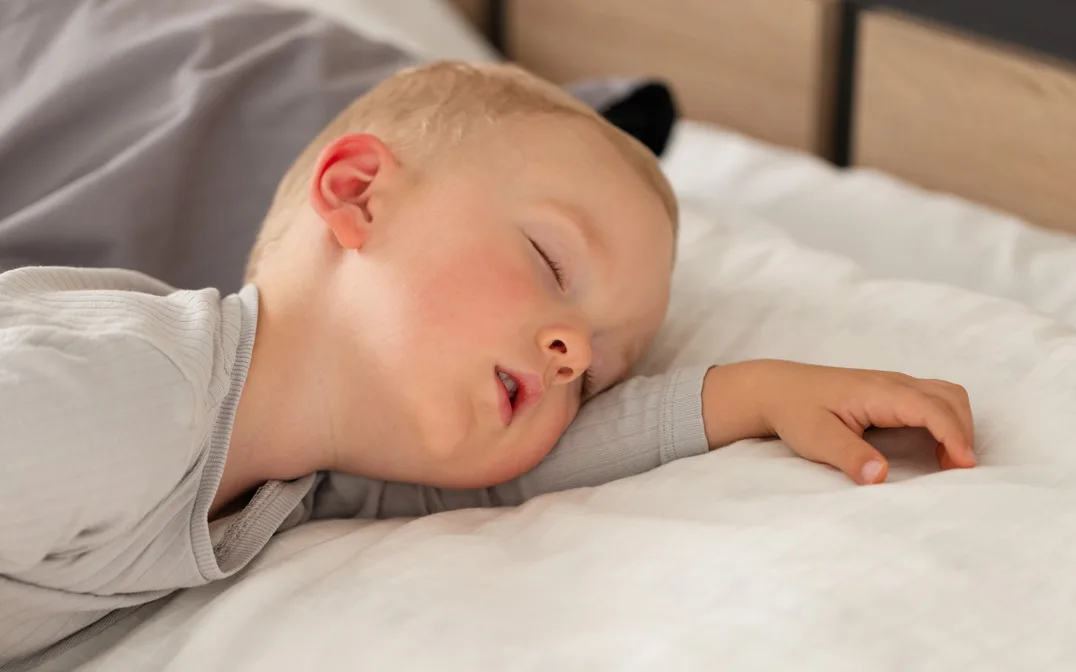
Mouth breathing, snoring, and teeth grinding are three night-time habits that pediatric dentists notice during routine checkups. Each one is common, most cases are harmless, and a few point to a blocked airway that a child's doctor needs to evaluate. Mouth breathing means a child breathes through the mouth instead of the nose, often because enlarged adenoids, tonsils, or allergies narrow the nasal passage. Snoring is the sound of air moving through a narrowed throat during sleep. Teeth grinding, called sleep bruxism, is clenching or grinding the teeth during sleep. At Alpine Pediatric Dentistry in Lincolnton, North Carolina, sleep and breathing questions are part of the pediatric dental checkup, and a child with warning signs is referred to the pediatrician or an ear, nose, and throat (ENT) specialist.
Three Night-Time Habits Compared
The three habits overlap, and one child often shows more than one. The table compares how common each habit is, what usually causes it, and who diagnoses the underlying problem.
| Mouth breathing | Snoring | Teeth grinding | |
|---|---|---|---|
| How common | Estimated at 11% to 56% of children, depending on the study | Habitual snoring in about 1 in 10 children in many surveys | Reported in 3.5% to 49.6% of children; one 2021 pooled estimate is 31% |
| Usual causes | Enlarged adenoids, allergies, a stuffy nose, habit | Enlarged tonsils and adenoids, allergies, excess weight | Normal development, new teeth, stress, sometimes disturbed breathing during sleep |
| What parents notice | Open mouth at rest and asleep, dry lips, bad breath | Noise most nights, pauses, gasps, restless sleep | Grinding sounds, flattened or worn baby teeth |
| Who diagnoses the cause | Pediatrician, allergist, or ENT | Pediatrician or ENT, often with a sleep study | Dentist for tooth wear; physician if a breathing problem is suspected |
Study numbers vary widely because researchers define each habit differently and often rely on parent questionnaires. The ranges above come from systematic reviews of childhood mouth breathing, snoring, and sleep bruxism.
Snoring and Obstructive Sleep Apnea
Snoring becomes a medical concern when it happens most nights and comes with pauses in breathing. Obstructive sleep apnea (OSA) is the condition in which the airway repeatedly narrows or closes during sleep, lowering oxygen and breaking up sleep. Population studies place OSA at roughly 1% to 6% of children, most often between ages 2 and 8, when tonsils and adenoids are largest compared with the throat.
The American Academy of Pediatrics (AAP) clinical practice guideline on childhood OSA, published in 2012, asks clinicians to screen every child for snoring at routine visits. A child who snores habitually and shows other signs is referred for evaluation, and an overnight sleep study (polysomnography) confirms the diagnosis. The guideline lists signs that raise concern:
- At night: snoring 3 or more nights a week, labored breathing, gasps or snorts, pauses parents can see, restless sleep, sleeping with the neck bent back, and bedwetting after a child had been dry.
- During the day: morning headaches, daytime sleepiness, and attention, hyperactivity, or learning problems.
- On examination: enlarged tonsils, a long narrow face with an open mouth at rest, a high narrow palate, and poor weight gain.
How Sleep Apnea Is Treated
The AAP guideline names removal of the tonsils and adenoids (adenotonsillectomy) as the first treatment for a child with OSA and enlarged tonsils. The Childhood Adenotonsillectomy Trial (CHAT), published in the New England Journal of Medicine in 2013, randomly assigned 464 children aged 5 to 9 to early surgery or watchful waiting. After 7 months, the surgery group had better behavior ratings from caregivers, better quality of life, and fewer symptoms; scores on attention and thinking tests did not differ between the groups. Children who still have OSA after surgery, or who cannot have surgery, are referred for continuous positive airway pressure (CPAP). Nasal steroid sprays are an option for mild cases, and weight management is added for children who are overweight.
Mouth Breathing and How a Child's Face Grows
Nose breathing filters, warms, and humidifies air, and the tongue resting against the roof of the mouth is part of how the upper jaw widens with growth. Children who breathe through the mouth for years tend to rest the tongue low and the lips apart. A 2024 review in Frontiers in Public Health describes a cycle in which enlarged adenoids cause mouth breathing and mouth breathing is linked to a longer face, a narrow upper jaw, and crowded teeth, a pattern sometimes called "adenoid facies."
The evidence is mixed. Systematic reviews of rhinitis-related mouth breathing and bite problems found a high risk of bias in the included studies and no consistent link, and one study found that large tonsils, not large adenoids, were associated with an overbite pattern. What the research supports is narrower: a child who mouth breathes most of the time has a reason worth finding, usually in the nose or throat, and the pediatrician or ENT finds it.
Effects on Teeth and Gums
Mouth breathing dries the mouth. Saliva washes food away and neutralizes acid, so a dry mouth raises the risk of cavities and gum irritation along the front teeth. Persistent bad breath and red, puffy gums around the upper front teeth are common dental signs of night-time mouth breathing.
Teeth Grinding in Children
Sleep bruxism is very common in young children and usually fades on its own as the permanent teeth come in. Baby teeth show wear from grinding, especially the canines, and most of that wear causes no pain and needs no treatment. A 2021 review in Sleep Medicine Reviews reported that the most common findings linked to grinding in children are worn canine teeth, general tooth wear, and headaches.
Grinding has several possible triggers: normal jaw and tooth development, discomfort from new teeth, stress or anxiety, and some medications. The link between grinding and disturbed breathing during sleep is still being studied; reviews describe an association in some children but not a proven cause. For that reason, a dentist who sees heavy wear in a child who also snores asks about sleep and breathing before treating the teeth alone.
When Grinding Needs Attention
- Wear reaching into the inner layer of the tooth, or teeth that are sensitive or chipped
- Jaw pain, morning headaches, or trouble opening the mouth
- Grinding that continues into the permanent teeth
- Grinding together with loud snoring, pauses in breathing, or daytime sleepiness
The Pediatric Dentist's Role
Pediatric dentists see children every six months, often more often than a physician does, so the dental chair is a natural place to notice airway signs. The American Academy of Pediatric Dentistry (AAPD) Policy on Obstructive Sleep Apnea encourages dental professionals to screen patients for increased OSA risk and to help families reach a medical referral when signs are present. The same policy notes that questionnaires alone miss many cases, so sleep questions on the health history work together with the exam: tonsil size, tongue position, palate shape, and tooth wear.
Diagnosing sleep apnea is outside the scope of dental practice. The dentist's job is to notice, explain what was seen, and send the child to the pediatrician, an ENT, or a sleep physician, who orders a sleep study if needed. When the medical team decides a dental treatment fits, the dentist provides it as part of a plan led by the physician.
Treatments Dentists Provide
Some airway-related care happens in dental and orthodontic offices. Each option below has evidence for some children and limits that matter.
| Treatment | What it does | What the evidence shows |
|---|---|---|
| Rapid maxillary expansion (orthodontic) | Widens a narrow upper jaw, which also widens the floor of the nose | A 2016 meta-analysis of 17 studies (314 children) found the apnea-hypopnea index fell about 70%, from 8.9 to 2.7 events per hour, within 3 years; about a quarter of children reached a cure threshold. Evidence is mostly observational. |
| Myofunctional therapy | Exercises for the tongue, lips, and throat muscles, often with a therapist | A 2020 meta-analysis of 10 pediatric studies (241 children) found a 43% drop in the apnea-hypopnea index. A 2020 Cochrane review rated the evidence low certainty, with too few trials for firm conclusions. |
| Tongue-tie release (frenectomy) | Frees a tight band under the tongue | Supported for feeding problems in babies. Expert consensus has not established tongue-tie release as a treatment for sleep apnea (see the laser frenectomy guide). |
| Night guard | A plastic guard that covers the teeth during sleep | Protects permanent teeth from wear in older children and teens. Used rarely in young children because baby teeth and jaws change quickly. |
Mouth Breathing Usually Starts in the Nose or Throat
Most children who mouth breathe do so because air does not move easily through the nose. Enlarged adenoids, allergic rhinitis, and frequent colds are the usual causes. Treating the cause, through allergy care, nasal sprays, or surgery when the physician recommends it, is what restores nose breathing.
Snoring Most Nights Deserves a Doctor's Visit
Occasional snoring during a cold is normal. Snoring 3 or more nights a week, especially with pauses, gasps, or restless sleep, meets the AAP's threshold for further evaluation. The pediatrician decides whether a sleep study or an ENT referral comes next.
Grinding Baby Teeth Is Usually Temporary
Most grinding in young children fades as the permanent teeth arrive, and worn baby teeth rarely need treatment. Dentists track wear at each checkup with notes and photos, and look for pain, sensitivity, or breathing signs that change the plan.
Frequently Asked Questions
Is It Normal for a Child to Breathe Through the Mouth While Sleeping?
Mouth breathing during a cold or allergy flare is common. Mouth breathing most nights, with snoring or an open mouth during the day, often means the nose or throat is blocked, usually by enlarged adenoids or allergies. The pediatrician or an ENT finds the cause.
Can Snoring Hurt a Child?
Habitual snoring with pauses or gasps can be a sign of obstructive sleep apnea, which affects roughly 1% to 6% of children. Untreated sleep apnea is linked to daytime sleepiness, behavior and attention problems, and poor growth. A sleep study confirms the diagnosis.
Why Does My Child Grind Their Teeth at Night?
Grinding in children has several triggers, including normal jaw development, new teeth coming in, stress, and sometimes disturbed breathing during sleep. Most children outgrow it as the permanent teeth come in. A dentist checks the wear and asks about snoring and sleep.
Does My Child Need a Night Guard for Grinding?
Young children rarely need a night guard because baby teeth fall out and the jaws grow quickly. Guards are more common for older children and teens with wear or pain in permanent teeth. The dentist bases the decision on wear, symptoms, and age.
Can a Dentist Diagnose Sleep Apnea?
No. Diagnosing sleep apnea is outside dental scope. Pediatric dentists screen for signs, explain what they see, and refer the child to the pediatrician, an ENT, or a sleep physician, who orders a sleep study when needed.
Common Misconceptions About Children's Breathing and Grinding
Misconception: Snoring Means a Child Is Sleeping Deeply
Snoring is the sound of air moving through a narrowed airway. Occasional snoring is common, but snoring most nights is a reason to talk with the pediatrician.
Misconception: Every Child Who Grinds Has an Airway Problem
Grinding is common in young children and usually fades with age. Some children who grind also have disturbed breathing during sleep, so dentists ask about snoring, but grinding alone does not mean sleep apnea.
Misconception: A Dental Appliance Fixes Sleep Apnea
Sleep apnea in children is diagnosed and managed by physicians. Removing enlarged tonsils and adenoids is the first treatment when they are the cause. Orthodontic expansion helps some children with a narrow upper jaw as part of a physician-led plan.
Misconception: Releasing a Tongue-Tie Cures Snoring
Tongue-tie release is supported for feeding problems in babies. Current expert consensus has not established it as a treatment for snoring or sleep apnea.
Misconception: Mouth Breathing Is Just a Habit
Habit plays a part for some children, but most mouth breathing starts with a blocked nose or large adenoids. Finding and treating the cause comes before habit training.
Ongoing Debates in Children's Airway Care
"Airway dentistry" as a specialty. Some dentists market airway-focused care that links mouth breathing and tongue-ties to jaw growth, behavior, and sleep. Medical and dental organizations support screening and referral, while noting that much of the evidence for dental treatment of children's breathing problems is observational and short-term.
How much mouth breathing shapes the face. Narrative reviews describe a strong link between long-term mouth breathing and a long, narrow face. Systematic reviews with stricter methods find weaker and inconsistent links.
Grinding and sleep apnea. Researchers disagree on whether grinding signals disturbed breathing or simply occurs alongside it. Reviews rate the certainty of evidence low to very low.
Surgery or watchful waiting. The CHAT trial found that some children in the watchful-waiting group improved without surgery. Physicians weigh symptoms, sleep study results, and age when choosing between surgery and monitoring.
Components of Children's Airway Screening
Airway screening in a pediatric dental office works as a sequence of connected parts. Sleep questions on the health history form the first layer, asking about snoring, pauses, bedwetting, and daytime sleepiness. The mouth exam forms the second layer, checking tonsil size, tongue position, palate shape, and tooth wear. The dentist's explanation to the parent forms the bridge, describing what was seen without diagnosing. The medical referral to the pediatrician, an ENT, or a sleep physician forms the diagnostic step, where a sleep study confirms or rules out sleep apnea. Dental treatment, when the medical team recommends it, forms the final layer inside a physician-led plan.
Summary
Mouth breathing, snoring, and teeth grinding are common in children, and most cases are harmless or temporary. Snoring most nights with pauses or gasps, mouth breathing that never stops, and grinding with pain or breathing signs are the patterns that call for a medical evaluation, guided by the AAP's 2012 sleep apnea guideline and the AAPD's screening policy. Pediatric dentists screen and refer; physicians diagnose and lead treatment. Alpine Pediatric Dentistry includes sleep and breathing questions in every pediatric dental checkup in Lincolnton, North Carolina.